- What Is an Emergency Fund and Why You Need One
- What Exactly Is an Emergency Fund?
- Why You Absolutely Need One
- The Psychological Peace of Mind
- How Much Should You Really Save?
- The Three to Six Month Rule
- Calculating Your Essential Monthly Expenses
- Where Should You Keep Your Cash?
- The Power of High Yield Savings Accounts
- Why Liquidity Matters More Than Interest
- How to Start Building Your Fund from Scratch
- Taking Small Steps Toward a Big Goal
- The Magic of Automating Your Savings
- Common Pitfalls and How to Avoid Them
- When Should You Actually Use the Money?
- Conclusion
- Frequently Asked Questions
What Is an Emergency Fund and Why You Need One
What Exactly Is an Emergency Fund?
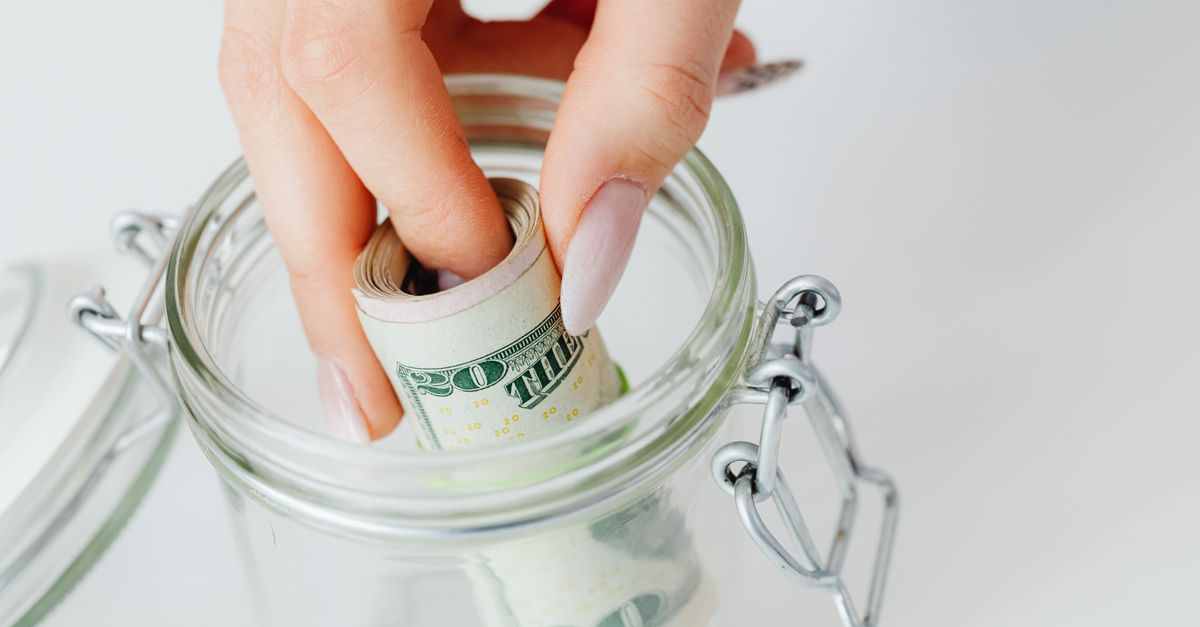
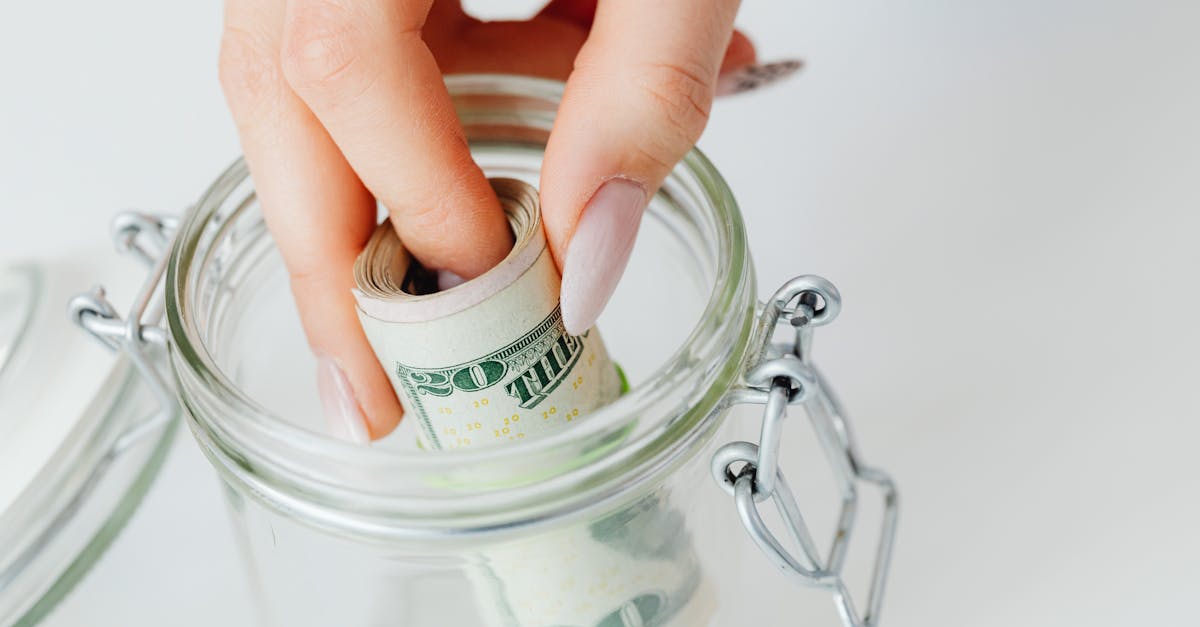
Think of an emergency fund as your financial shock absorber. Just like the suspension system in your car handles the bumps, potholes, and unexpected terrain of the road so you do not spill your coffee, an emergency fund handles the unexpected jolts in your personal finances. It is essentially a stash of money that you set aside specifically for those life events that catch you off guard. We are talking about the car breaking down when you need it for work, a sudden trip to the emergency room, or the dreaded day your company announces layoffs. This is not investment money for the stock market, nor is it vacation money for your dream trip to Italy. It is cold, hard cash sitting in a safe place, waiting for a rainy day.
Why You Absolutely Need One
Life has a funny way of throwing curveballs when you least expect them. If you do not have a safety net, one bad event can quickly spiral into a debt trap. Imagine your transmission dies. Without savings, you are forced to put that expense on a credit card. If you cannot pay that card off in full by the end of the month, you are now paying interest. That small repair just became significantly more expensive. An emergency fund stops that cycle before it starts. It allows you to pay for the problem, fix it, and move on with your life without lingering financial baggage.
The Psychological Peace of Mind
Beyond the math, there is the mental aspect. Financial stress is heavy. It keeps people up at night, affects relationships, and lowers productivity at work. When you know you have three months of expenses sitting in a bank account, your relationship with your job and your bills changes. You are no longer living in a state of constant, low level panic. It provides a level of autonomy and freedom that is hard to put a price on.
How Much Should You Really Save?
This is the question that stops most people before they even begin. The reality is that there is no magical number that fits everyone, but there is a standard target that experts agree provides a solid buffer.
The Three to Six Month Rule
The golden rule of personal finance is to save between three to six months of your essential living expenses. If you have a stable job, you might lean toward three months. If you are a freelancer with inconsistent income or have dependents, six months or more is a safer bet. Do not look at this number and get discouraged. Start small. Even a thousand dollars can cover a surprising amount of minor emergencies.
Calculating Your Essential Monthly Expenses
To find your number, list your must haves. Do not count your Netflix subscription or your weekly sushi habit. Focus strictly on rent or mortgage, utilities, groceries, insurance, and the minimum payments on your necessary debt. This represents your bare bones budget. That is the number you need to be able to sustain if the worst happens.
Where Should You Keep Your Cash?
Your emergency fund should be easily accessible but not so accessible that you are tempted to blow it on a sale at your favorite store. Ideally, keep it in a separate savings account at a bank different from your primary checking account. This slight friction creates a psychological barrier that prevents impulse spending.
The Power of High Yield Savings Accounts
While you want it accessible, you do not want it losing value to inflation in a non interest bearing checking account. A High Yield Savings Account (HYSA) is the perfect vehicle for this. You get interest that is significantly higher than a standard big bank account, and your money is typically FDIC insured, meaning it is perfectly safe from bank failures.
Why Liquidity Matters More Than Interest
Do not be tempted to move this money into stocks or crypto to chase higher returns. The primary purpose of this money is liquidity. If the market tanks at the same time you have an emergency, you are going to lose even more money withdrawing your funds. Keep it simple and keep it liquid.
How to Start Building Your Fund from Scratch
Building a fund from nothing feels like climbing a mountain, but the secret is to just keep your eyes on the next step. If you look at the total amount needed, you might feel defeated. Just look at your next paycheck.
Taking Small Steps Toward a Big Goal
Start with a small, reachable goal like five hundred dollars. Once you hit that, go for a thousand. The momentum you gain from these small wins is incredibly powerful. Treat your savings like a recurring bill that you pay to yourself every single month.
The Magic of Automating Your Savings
If you have to consciously decide to save money every month, you are going to eventually fail. Human willpower is finite. Set up an automatic transfer from your checking account to your savings account on payday. By the time you even see your paycheck, the money is already gone into your emergency fund. You will adjust your spending to what remains, and you will grow your savings without thinking about it.
Common Pitfalls and How to Avoid Them
The biggest pitfall is using your emergency fund for non emergencies. A new phone is not an emergency. A sale on winter clothes is not an emergency. Define what an emergency is before you ever start saving. If it does not involve life, health, or your ability to continue working, it is probably not an emergency.
When Should You Actually Use the Money?
Think of your emergency fund as a fire extinguisher. You would not use a fire extinguisher to cool down your living room. You only break the glass in case of a true fire. If you dip into the fund, have a plan to replenish it as quickly as possible once the crisis passes. It is a living, breathing part of your financial health that needs constant maintenance.
Conclusion
Ultimately, an emergency fund is about buying yourself options. When a crisis hits, you do not want to be desperate or stuck relying on high interest loans. You want the power to say that you have it handled. It takes time, discipline, and a bit of sacrifice, but the security it provides is worth every cent. Start today, start small, and watch how your financial anxiety begins to melt away.
Frequently Asked Questions
1. Should I pay off debt before building an emergency fund?
It is generally recommended to save a starter emergency fund, perhaps one thousand dollars, while you pay off high interest debt. Once that is done, focus on aggressively paying down debt before finishing your full three to six month fund.
2. Is it okay to keep my emergency fund in cash at home?
It is not recommended. Cash at home is at risk of theft, fire, or loss. A bank account is far more secure and allows you to keep the funds in a place that earns interest while remaining accessible.
3. Does my emergency fund need to be in a separate account?
It is highly recommended. Mixing emergency money with your daily spending money makes it far too easy to accidentally spend it. Keeping it separate provides both physical and psychological distance.
4. What happens if I use my emergency fund?
Life happens. If you use it, do not beat yourself up. Just refocus your budget, reduce non essential spending, and prioritize replenishing it as quickly as possible. The goal is to get back to that safety net as soon as you can.
5. Does my emergency fund need to be adjusted over time?
Yes. As your life changes, your expenses change. If you move to a more expensive city, have children, or change your lifestyle, you should revisit your monthly expenses and ensure your emergency fund still covers three to six months of those costs.